A mini history of... COFFEE
Its currently #coffeeweek in the UK. To have an actual week dedicated to coffee is a sign of how ubiquitous the stuff has become.
Richard Murphy11 April 20142 min read

Its currently #coffeeweek in the UK. To have an actual week dedicated to coffee is a sign of how ubiquitous the stuff has become. But even though we all drink a lot of it, we don’t seem to think about it all that much. We thought we’d gather up all the info you might not know about coffee into one 5minute article, so you can get up to speed over the space of time it takes you to drink, say, a coffee.
Magic Beans
The awesomeness of coffee was discovered in Ethiopia in 6th century. Legend has it that a goat herd discovered the magical properties of coffee after his flock became hyper-active after grazing on coffee fruits (berries or cherries as they are known, although apparently they tastes nothing like as nice as either). Coffee as we know it is made from not the berries but from the seeds of the plant. Or, rather, the beans of the plant.
There are two different species of coffee plant: Robusta and Arabica. Arabica is superior, has a more mellow flavour, less caffeine, and can be drunk on its own. Robusta is almost never used on its own but blended in with Arabica to boost the caffeine content and add body to the taste.
Economic Gold Dust
Coffee has always been the kind of product that quickly becomes precious to a country’s economy. The first coffeehouses were in Mecca and then spread throughout Arabia. By the 15th century, coffee started to be grown commercially there and was one of the most valuable exports of the region. To protect the economy, Arab leaders banned the beans from being exported, so it was only possible to export the finished product.
To break the Arabian state’s ownership of the this valuable product, sometime in the 17th century, some beans were smuggled to India by a pilgrim called Baba Budan, who took the plant to his home in India. It travelled to Europe via Dutch traders who stole a plant from a port in Yemen. The Dutch then set up a series of plantations in their colonies such as Java and Sumatra. In 1714, the Dutch presented Louis XIV with a coffee sapling, showing how precious the ability to grow coffee was. It spread quickly throughout the colonised nations. The high altitude of the South American colonies made ideal conditions for growing the fine Arabica. And the rest, as they say, is history.
Read next
The guide to brittle beards
Beard Care4 min
Dry, splitting, snapping at the ends? Brittle beard is almost always a moisture problem, not a growth one. Here is how to read the signs, change three habits this week, and stop stripping the oils your beard needs.
The complete beard care guide
Beard Care2 min
Everything we know about looking after a beard, in one place. The four habits, what changes by length, and how to fix the common problems.
Why is my beard so itchy?
Ask The Brotique2 min
Beard itch is the number one reason men shave it off too early. Here's what causes it and how to stop it.
Worth owning

Men Rock
Awakening Beard Balm
A leave-in balm that softens the beard and wakes you up with a sharp Sicilian lime and caffeine scent. Light enough for daily use, with no greasy residue.
Men Rock
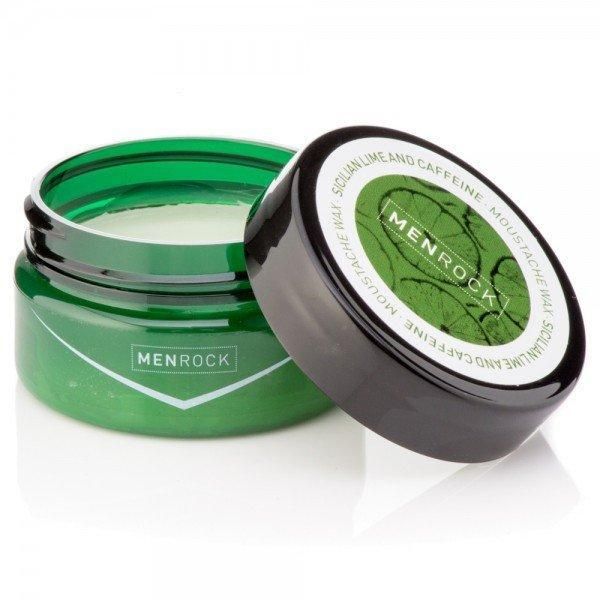
Men Rock Sicilian Lime and Caffeine Awakening Moustache Wax
An un-waxed moustache is a crime in the world of gentlemen so don’t leave without a jar of this sicilian lime and caffeine scented magic.
Braw
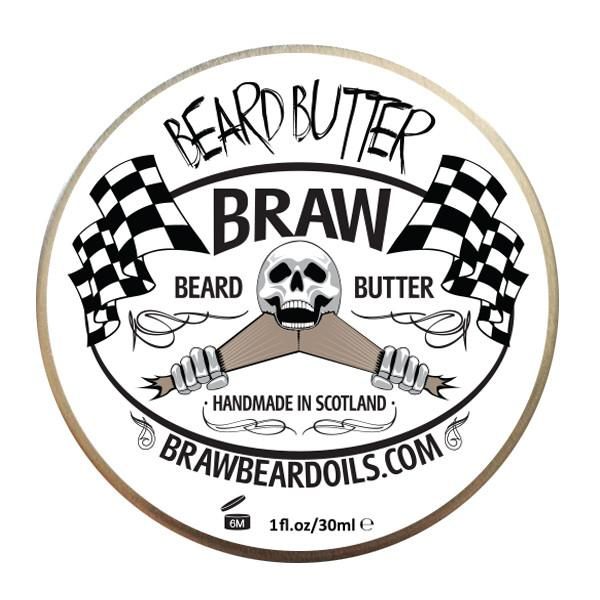
Braw Beard Butter - Beard Balm
Braw Beard Butter can be used on it’s own or after applying Braw Beard Oil.
Braw
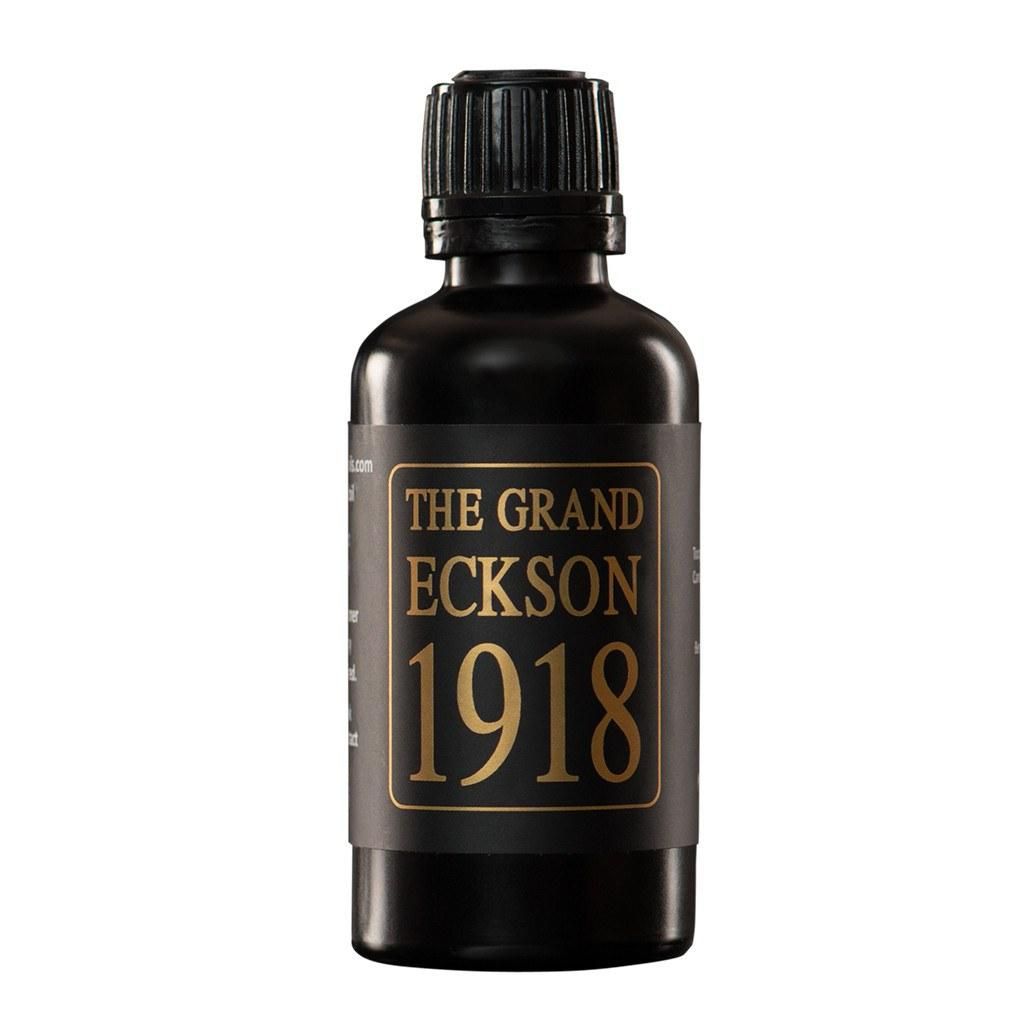
Braw Beard Oils - The Grand Eckson
The Black Series are a heavier weight oil, better used for a fuller look.

Braw
Braw Beard Heather Beard Oil
Heather has a light floral scent, perfect for the gentleman out to make an impression.
Uppercut Deluxe
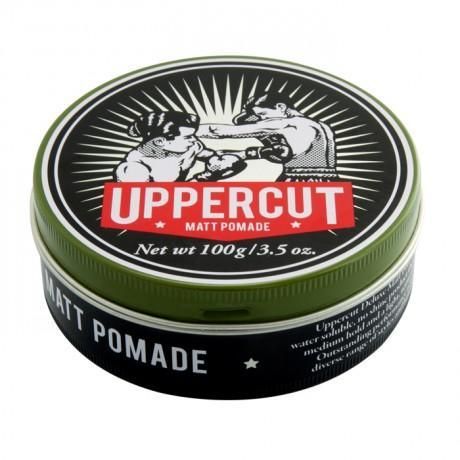
Uppercut Deluxe Matt Pomade
Apothecary87
Apothecary87 Manitoba Maple Hair Pomade
Suavecito Pomade